


International Experience in Education: Cambridge Academic Visit
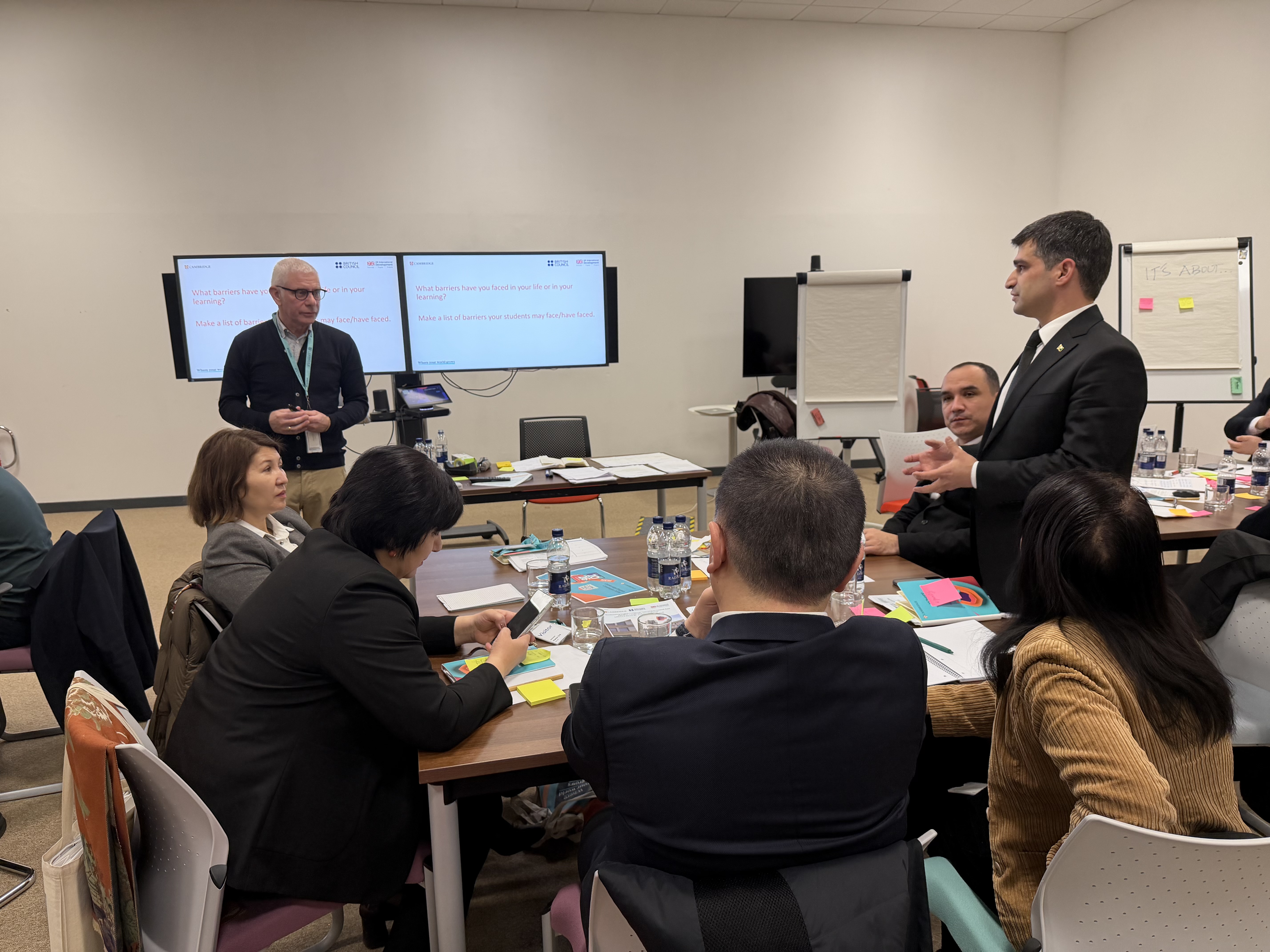
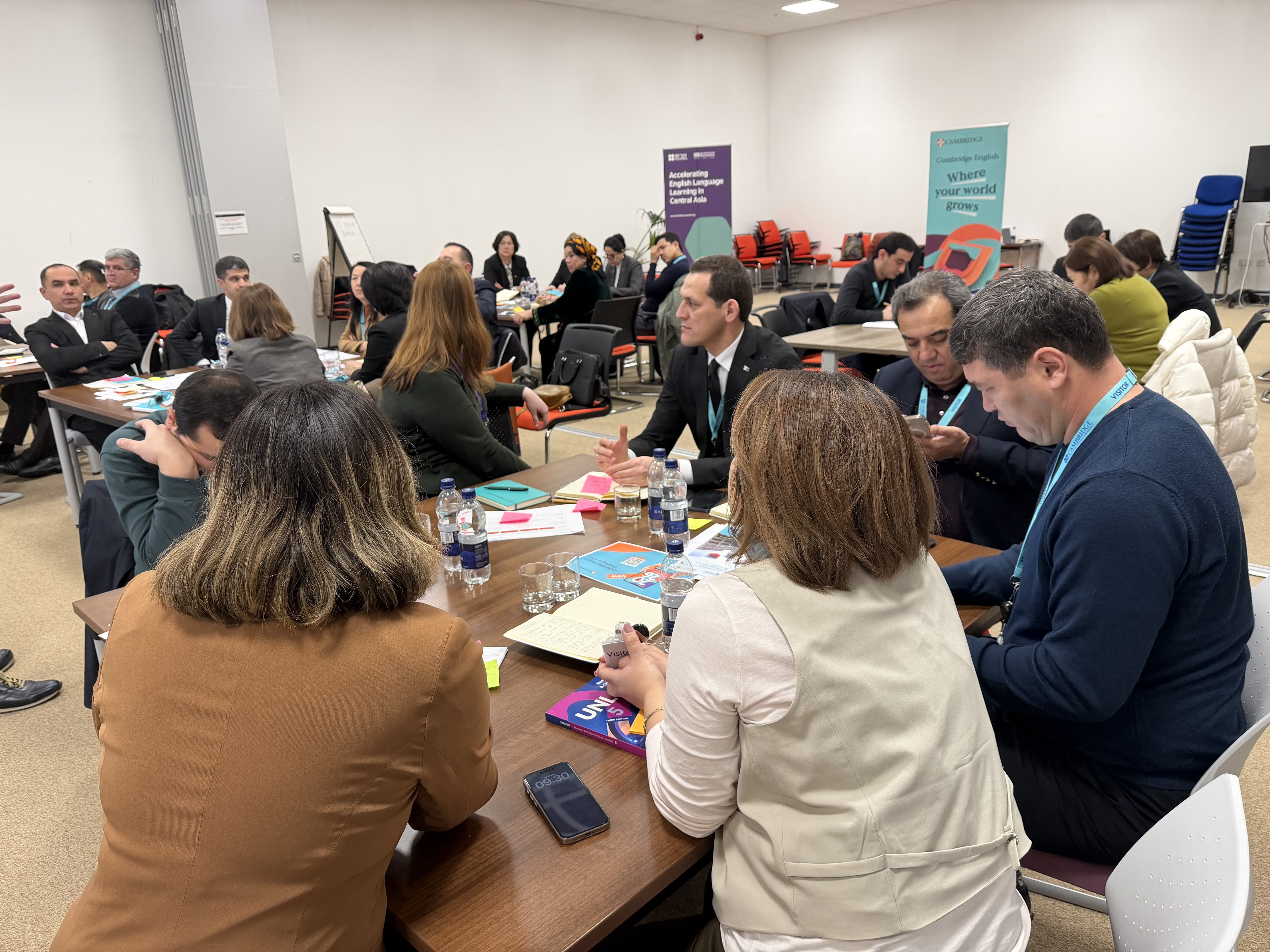
Academic visit of representatives of education system of Turkmenistan–Magtymguly Turkmen State University, International University of Humanities and Development, Dovletmammet Azadi Turkmen National Institute of World Languages, and Seyitnazar Seydi Turkmen State Pedagogical Institute to Cambridge, the United Kingdom of Great Britain and Northern Ireland is still going on. The visit is being organized with the aim of strengthening international cooperation, studying advanced practices in the education sector, and introducing them into the national education system of our country.
Within the framework of the professional development program, the participants take part in the training courses, seminars, and events aimed at sharing experience in a variety of areas. In particular, it includes:
- modern approaches to leadership and strategic planning in the PRESETT system;
- to exchange experience on communicative and learner-centered methods of teaching English as well as the peculiarities of their use on the lesson;
- to become familiar with the organizational and management practices of teachers’ professional development and continuous learning (CDP) models;
- to review the structure, content and effectiveness of assessment methods of curricula;
- to exchange experience on the use of digital learning platforms, interactive methods and artificial intelligence technologies in educational process;
- to observe the learning process, teaching methodology, use of learning materials and achievement of learning outcomes through observation of the learning process;
- It includes activities aimed at discussing the possibilities of aligning the structure of language curricula with modern pedagogical principles through the application of the CEFR (the Common European Framework of Reference for Languages — the Common European system for assessing levels of foreign language proficiency), systematically measuring and assessing the development of the four core language skills (listening reading, speaking, writing), and improving assessment tools. As a result, during the academic visit, participants take part in a wide range of activities focused on learning modern pedagogical approaches and improving curricula, integrating digital technologies, and studying language-teaching methods based on international experience.